
Gaming isn’t a waste of your time. I’m putting that in the first line so you’re not sitting through three paragraphs waiting for me to get there.
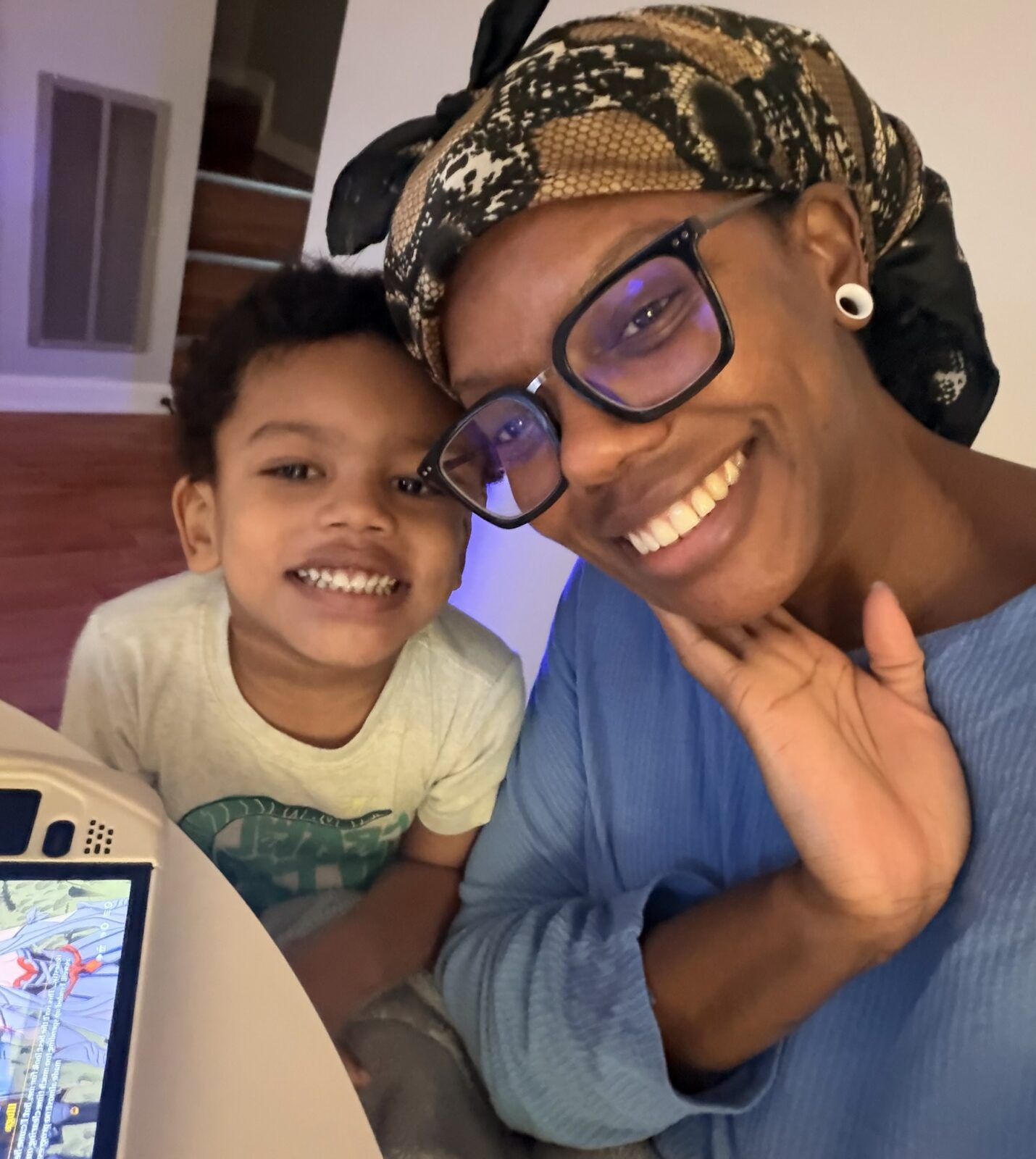
The trouble is the voice in your head disagrees. You finish a good run in Genshin, feel that little hit of joy, and then the guilt clocks in like a bill you forgot about. Should you really have spent that hour playing? Wasn’t there laundry? I know that voice well, because I’ve argued with it plenty, usually around 10pm with a controller in my hand and a toddler finally asleep.
The first time I caught it red-handed, I’d had a brutal day. Meltdowns, work that ran long, all of it. I sat down to play and spent the whole session feeling bad about playing, then went to bed still wound up and somehow more tired than when I started. That was the night it clicked for me. The game wasn’t the problem. The guilt riding shotgun the whole time was.
Look at the double standard first, because it falls apart the second you hold it up to the light. Nobody side-eyes the guy watching football four hours every Sunday. Nobody lectures the woman on her third romance novel this week, or the coworker dropping two hundred bucks to be mildly miserable at a golf course. Those hobbies get a pass. Gaming gets the raised eyebrow, mostly from people picturing a teenager skipping chores instead of a grown adult decompressing after a twelve-hour shift.
So why does that word only ever land on gaming, and never on golf or three seasons of a show knocked out in one weekend? Because it was never really about wasted time. It’s an old bias, and you’re allowed to stop storing it in your head for free.
Your brain is working the whole time you play, and harder than people give it credit for. Building a team in Wuthering Waves, timing your dodges in ZZZ, running the resource math, working out a puzzle room. That’s problem-solving in real time.
And the research keeps backing it up. One of the bigger looks at this, an NIH-funded study of nearly 2,000 kids published in JAMA Network Open, found that the ones who gamed regularly scored better on tests of working memory and impulse control than the ones who never played. Scientists are still working out exactly why, but the pattern keeps showing up. Compare that to doomscrolling, which asks nothing of you and hands you a worse mood on the way out. Very little value in that activity, right?
Then there’s your nervous system, which finally gets to exhale. When I drop into a session I’m not spiraling about an unsent email or something dumb I said in 2014. I’m here, fully, in this. That reset is the reason I can show up the next morning for the people who need me. Call it a luxury if you want. I call it maintenance.
Gaming handed me people, too. A whole crew of busy people making it work; fellow parents/caretakers, full-time workers, students, and night owls grinding dailies during their pockets of time in the day who just get it without me explaining a thing. Loneliness wears on your body over time, and a good squad quietly pushes back on it.
And the joy is reason enough on its own, my friend. You don’t owe anybody a productive justification for fun. Joy isn’t a prize you unlock after enough suffering. It’s a need, filed right next to sleep and a snack that didn’t come off your toddler’s plate.
Here’s the part you might not want to hear. The guilt wastes more of your time than the gaming ever will.
Watch what it does. You finally sit down to play, then spend the whole hour half-present, running a mental checklist of everything else you should be doing. So you didn’t rest, and you didn’t do the chores either. The guilt robbed you of the one good thing you were trying to hand yourself. Meanwhile the dishes are fine. They’re patient as hell. The laundry has never once folded itself out of spite during a boss fight. But that little pocket of peace you were reaching for, you don’t always get that back.
So when you choose to play, play. All the way. Being present in your own fun is a skill, and you get better with reps, same as anything else. When I stopped treating my play like something I had to earn or sneak, something happened. I started enjoying it again instead of watching it through a fog of should. The guilt wasn’t protecting my family or my business. It was quietly turning me into a shorter-tempered, more drained version of myself, and everybody around me could feel it.
A few things that helped me and my community quit apologizing. Put gaming on the calendar like a real appointment, because planned time grows a lot less guilt than snuck time. Stop explaining yourself to people who were never going to get it, since “it’s how I relax” is a full sentence with no footnotes required.
If your real problem is that you genuinely can’t find the time, that’s a different fix, and I walked through it in how to actually game when you have zero free time. And if you’re a parent, the guilt comes with its own special seasoning, which I got into over in mom guilt vs game time. Go read whichever one is poking at you hardest.
About the folks who love to comment. The “aren’t you a little old for that” crowd, the “must be nice to have free time” crowd. You will not argue them into understanding, so save your energy. A grown adult with a job, a family, and a mile-long list of responsibilities chose to spend a slice of their own downtime on something they love. That’s the whole damn story. Anybody who needs more than that is asking you to justify your existence, and that’s a them problem, not a you problem.
You work hard. You carry more than the people around you can see. You get to have one thing that exists for no reason other than it makes you happy. Gaming isn’t stealing from your real life. It’s part of what makes the real life worth grinding through.
Come play with me sometime. I stream a few times a week around a toddler and being a soloprenuer, so you’ll catch a busy person actually pulling this off.
Cozy notes on gaming, streaming & the busy life — no spam, ever.